• Home
  • About
    • Our Mission and Vision
    • Head of School
    • History
    • Quaker Education
    • Diversity
    • Land Acknowledgement
    • Faculty and Staff
    • Board of Trustees
    • Careers at FSMH
  • Admissions
    • Why FSMH?
    • Request a Tour
    • Applying
    • Tuition
    • Tuition Assistance and Scholarships
    • Evergreen Contracts
    • Early Room/Extended Day
    • Food Allergy Policy
    • Beyond FSMH
  • Academics
    • Early Childhood
    • Lower School
    • Middle School
    • Essentials
    • Curriculum
    • Hands-On Learning
    • Service Learning
    • Teaching with Technology
  • Activities
    • Calendar
    • Media Gallery
    • Music School
    • Athletics
    • Drama
    • After-School Clubs
    • Summer Camp
  • Support FSMH
    • Annual Fund
    • Online Giving
    • Auction
    • FSMH Friends In Motion
    • Friendship Quilt
    • Award Winners
  • Parents
    • Parents’ Association
    • Medical Forms
    • What is Quaker Meeting for Worship?
    • Notes to Friends
    • 2025-2026 Important Dates
    • Lower School Summer Reading
  • Blog
  • Alumni
    • Stay Connected
    • 50th Anniversary
  • Contact
  • CONTACT US 856-478-2908

Friends School Mullica Hill

  • Make a Gift Now
  • Request a Tour
  • Apply Now
  • Parent Access to FACTS
  • Calendar of Events

February 9, 2018

Unusual Wildlife Winter Survival Tips

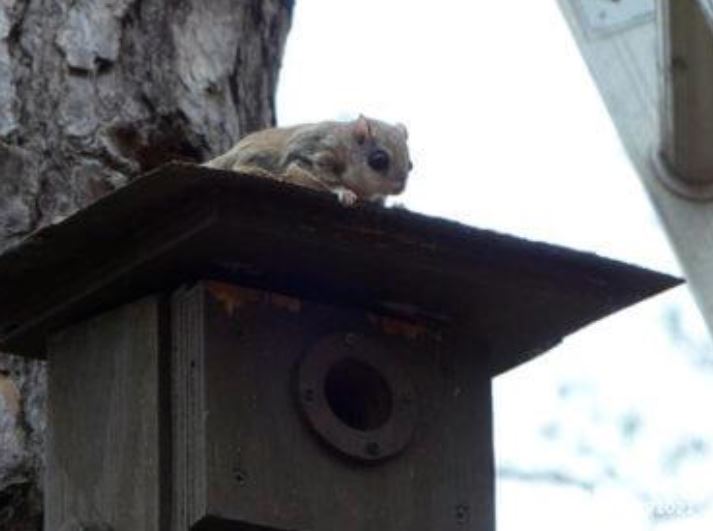
A flying squirrel checks out what might be “communal housing” in colder months at Glades Wildlife Refuge. Photo: Steve Eisenhauer

by Teacher Peter Manzelmann

With temperatures around zero degrees Fahrenheit and snow laying in un-melted drifts, I’ve been thinking quite a bit about how wildlife survive winter’s chill.

Animals have three basic strategies for cold weather survival: hibernation, migration, or toughing it out.

Flying squirrels huddle together in tree cavities for warmth. Sometimes as many as 20 individuals will pack in tightly to a single nest box or cavity!

Beavers pack on extra weight to burn during colder weather. A beaver’s tail is designed to store fat and shrinks in size over the winter as fat stores are used.

Black bears breed in early summer. But a complex adaptation delays implantation of a fertilized egg until the beginning of winter, after the female has had an opportunity to build sufficient fat reserves to sustain her through the period of inactivity and to nurse her cubs, born inside the winter den.

But perhaps the most fascinating winter adaptation is that of the turtle. Most species of freshwater turtles hunker down into the muddy bottom of ponds or lakes to wait out the winter. But turtles have lungs and breathe air, so how do they survive down there all season?

Believe it or not, turtles are able to absorb just enough oxygen from the water through body surfaces that are flush with blood vessels. One part that is especially well vascularized is the—cloaca or their —ahem—back side. The official term for this is cloacal respiration.
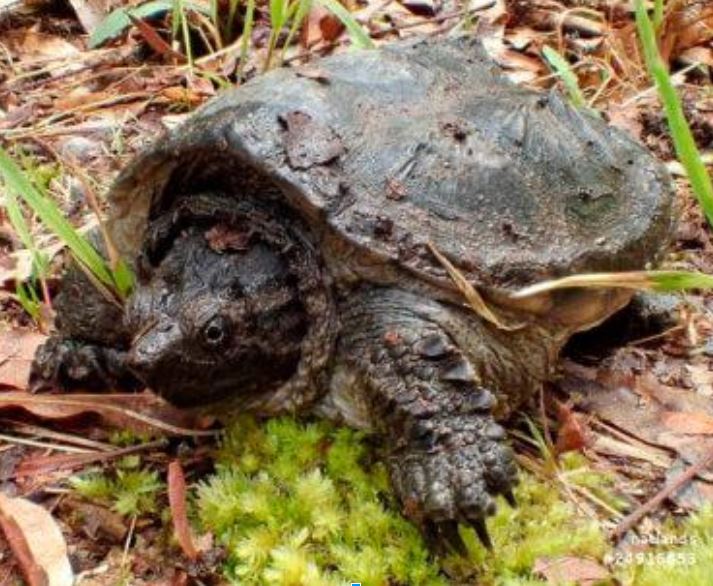

This snapping turtle has remarkable talents when it comes to surviving winter! Photo: Steve Eisenhauer

What’s more, some species—including snapping and painted turtles—can temporarily switch their metabolism to one that doesn’t require oxygen! They employ this trick when the O2 level in the water gets too low. However, prolonged periods of anaerobic metabolism will result in the buildup of acids in their tissue, a condition that can prove fatal. To deal with this, painted turtles are able to mobilize calcium from their shells to neutralize the acid, in much the same way we take calcium-containing antacids for heartburn.

So before you bemoan the icy temperatures, think of these amazing reptiles and their extraordinary adaptations. We humans can wait out winter snug in our houses, while turtles spend the season breathing from their back sides.

(Special “thanks” to Kirsten Werner from Natural Lands Trust for sharing these unusual winter survival tips.)


Article by Matthew Bradley / blog

Follow/Contact Us

Follow Us on FacebookFollow Us on InstagramFollow Us on LinkedInemail
Comments Box SVG iconsUsed for the like, share, comment, and reaction icons

Facebook Posts

Kindergarteners found materials at home to create an army of recyclables robots and middle schoolers took photos and used an editing program to turn the images into tiny planets. Happy Earth Day! ... See MoreSee Less

1 day ago
Play
View on Facebook
· Share
Share on Facebook Share on Twitter Share on Linked In Share by Email
View Comments
  • likes 4
  • Shares: 0
  • Comments: 0

0 CommentsComment on Facebook

As we continue to celebrate FSMH Volunteer Appreciation Week, Erica Salmon, our Head of School, joins our students in thanking our volunteers. ... See MoreSee Less

2 days ago
Play
View on Facebook
· Share
Share on Facebook Share on Twitter Share on Linked In Share by Email
View Comments
  • likes love 13
  • Shares: 0
  • Comments: 0

0 CommentsComment on Facebook

In celebration of National Volunteer Appreciation Week, April 20–24, we extend our heartfelt thanks to the many volunteers who make the FSMH community so special. Click on the video to see a special message from T. Carol.

From supporting classrooms and school events to sharing time, talents and care in countless ways, our volunteers help bring our mission to life each day. Your generosity strengthens our community, supports our teachers and enriches the experience of every student.

We are deeply grateful for all you give to FSMH. Your kindness, commitment and spirit of service truly make a difference.
... See MoreSee Less

3 days ago
Play
View on Facebook
· Share
Share on Facebook Share on Twitter Share on Linked In Share by Email
View Comments
  • likes love 11
  • Shares: 0
  • Comments: 0

0 CommentsComment on Facebook

Calendar

Follow and Contact Us

Follow Us on FacebookFollow Us on InstagramFollow Us on LinkedInFollow Us on E-mail

Quick Links

Calendar
Why Friends School Mullica Hill?
Applying
Quaker Education

Contact FSMH

For additional information or to schedule an appointment please contact us at admissions@friendsmh.org or (856) 478-2908.

Location

15 High Street
Mullica Hill, NJ 08062

info@friendsmh.org

Our campus is situated on the Indigenous territory known as Lenapehoking, the traditional homeland of the Lenni-Lenape.

© Copyright 2024 Friends School Mullica Hill
